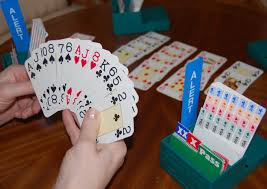
greedygoddesses.com – Chinese Poker—popular across Asia and now widely enjoyed in home games and online tables—is a brilliant blend of simplicity and deep strategic thinking. Unlike traditional poker variants that involve betting rounds, Chinese Poker focuses entirely on how you arrange your cards. This makes it easy for beginners to jump in, yet endlessly challenging for advanced players refining their techniques. To help you master the essentials, this guide explores the gameplay and key strategies for playing Chinese Poker, drawing inspiration from insights often shared by Cardanoir Authors, known for breaking down card-game concepts in clear, practical ways.
What Makes Chinese Poker Unique?
Chinese Poker (also referred to as Pusoy or 13-Card Poker) requires each player to take the 13 cards they’re dealt and organize them into three separate poker hands:
-
Front hand (3 cards) – weakest hand
-
Middle hand (5 cards) – medium strength
-
Back hand (5 cards) – strongest hand
The core rule:
Back > Middle > Front
If this order is broken, the player automatically fouls—losing to all opponents.
This arrangement mechanic turns every round into a puzzle, rewarding both creativity and structure.
Understanding the Basic Rules
Before mastering strategy, you must understand how the game flows:
1. Dealing & Setup
Each player receives 13 cards. There are no betting rounds—only arrangement.
2. Hand Hierarchy
Each section must follow standard poker rankings. For example:
-
Back hand: your strongest (often Flush, Full House, or better)
-
Middle hand: strong but not stronger than back
-
Front hand: only 3 cards, so best possible is Three-of-a-Kind
Mistakes in hierarchy cause a foul, costing you the round.
3. Scoring
Players compare each of their three hands to each opponent:
-
Win 2 out of 3 hands to earn points
-
Win all 3 hands = a “scoop,” earning bonus points
Some variations include royalties (bonus points for premium hands like straight flushes or quads).
Strategies for Playing Chinese Poker
Chinese Poker rewards planning more than gut instinct. Here are essential strategies commonly discussed by Cardanoir Authors for consistent improvement:
1. Build the Back Hand First
Your back hand determines the stability of the rest of your layout. Start with your strongest cards here, such as:
-
Full House
-
Flush
-
Straight
-
Trips
A solid back hand prevents fouling and gives you confidence as you arrange the other hands.
Pro tip: If your starting hand distribution looks weak overall, prioritize avoiding fouls rather than maximizing power.
2. Keep the Middle Hand Balanced
The middle hand is where many players lose unintentionally. Because it can’t be stronger than the back, but must remain competitive, you need to place mid-level holdings such as:
-
Two Pair
-
Strong Pair
-
Low Straight
The middle hand is often your decider in scoring battles, so balance is key.
3. Don’t Neglect the Front Hand
With only 3 cards, the strongest possible front is:
-
Three-of-a-Kind
-
Pair
-
High cards
A front hand with a decent pair can win many matchups, especially when opponents weaken their front to protect the back and middle hands.
Golden rule:
Never place too strong a hand in the front that ends up making your middle hand illegal.
4. Learn to Identify Hand Patterns Quickly
Experienced players recognize certain “shapes” in their 13-card starting hand. For example:
-
A hand with three pairs → great structure for front/middle
-
Suited connectors → potential flush or straight
-
Multiple high cards → strong front or middle
Recognizing these patterns instantly improves your arrangement speed and accuracy.
5. Always Avoid Fouling—Even at the Cost of Power
New players sometimes chase powerful combinations and accidentally foul. In Chinese Poker:
A foul = automatic loss to all players.
If unsure, choose the safer arrangement. Even a weak hand can score points if your opponent also struggles.
6. Adapt to Opponent Tendencies
Some opponents:
-
Build overly strong back hands
-
Over-invest in the middle
-
Play conservative front hands
Knowing their style lets you counter effectively. For example, if an opponent always weakens their front hand, a simple mid-pair up front can win you consistent points.
7. Use Royalties Wisely (If Your Variation Includes Them)
In royalty scoring systems:
-
Straight flushes
-
Quads
-
Strong fronts (like A-A-A)
earn bonus points. If your hand naturally leans toward a royalty, build around it—but never force it if it risks fouling.
Chinese Poker remains one of the most dynamic games in the card-game world because it blends creativity with structured logic. When you focus on solid arrangement, balanced hands, and careful risk management, you’ll steadily improve your results. The strategies for playing Chinese Poker outlined above reflect approaches widely shared by Cardanoir Authors, who emphasize clarity, consistency, and smart adaptation.
Every round is a fresh puzzle—shuffle, think, arrange, and enjoy the thrill of perfecting your 13-card masterpiece.